


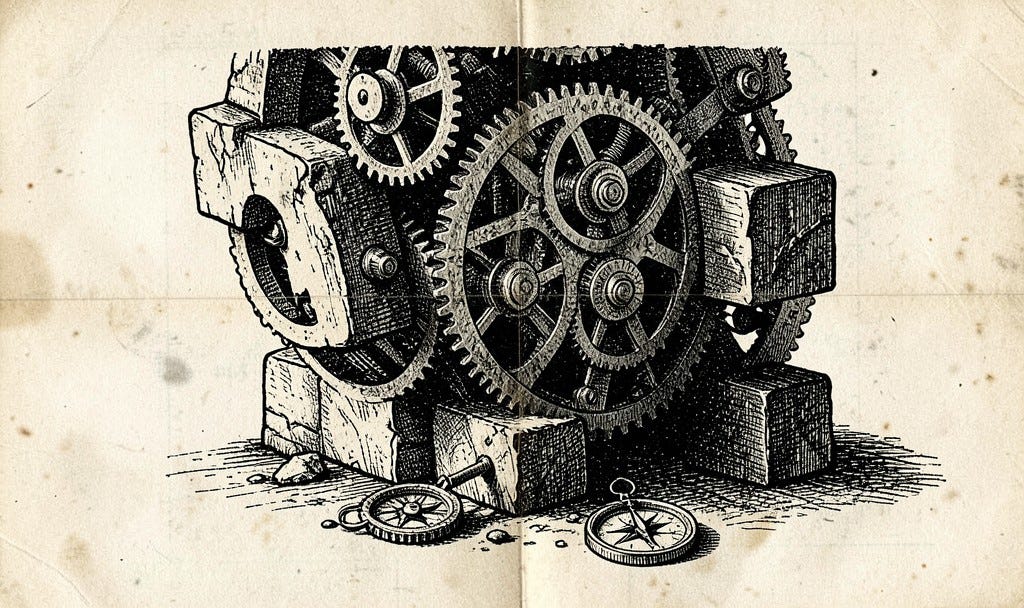
We live in an era overwhelmed by noise.
Every morning, a fresh moral demand lands in our feeds, insisting on immediate alignment and total conformity. We are promised that changing the world is largely a matter of etiquette: learn the updated vocabulary, announce the approved allegiances, and trust that pure intentions will handle the rest.
Except good intentions are a miserable metric for reality.
My work isn’t interested in the flattering stories we tell ourselves to feel clean at night. I care about ground truth: the quiet contradictions, institutional blind spots, and practical wrecks that happen when a movement decides that performing virtue matters more than achieving results.
The second a cause turns from a tool for material progress into a status game, honesty gets pushed out the door. You can spot the cracks without looking very hard. We watch groups claiming to champion liberation immediately turn around to purge their own dissenters. We watch institutions roll out sleek progressive rebrands to hide systemic decay. And we watch a comfortable, lazy hunger for childish good-versus-evil caricatures crowd out any appetite for the messy realities of real human beings.
This space doesn’t exist to comfort consensus or hand out easy moral alibis. The goal is to look straight at the friction points—where high ideals quietly turn into counterproductive traps.
Real progress demands a rare kind of stamina. It forces us to audit our own assumptions, confront our own contradictions, and admit when the systems we built are doing the exact opposite of what we intended. It requires a stubborn, often unpopular commitment to what is actually happening on the ground.
Welcome to the critique. Let’s look past the myth.
To explore how modern social movements turn noble ideals into engines of conformity, pick up the foundational book in this series:
The Secular Salem: The Cost of Moral Idealism in a Complex World
So much of public discourse is about maintaining an acceptable veneer. Posturing. Interesting perspective.